Professional background
Dr. Preeti S. Virkar
Wildlife scientist, pollinator ecologist and ecofeminist practitioner — fifteen years across research institutions, grassroots seed movements, and the field.
Biography
Preeti Virkar is an ecologist whose work moves between rigorous field science and the everyday practice of growing food well. She began at the Wildlife Institute of India, where six years of wildlife monitoring gradually narrowed into a doctorate on bee ecology in the Doon Valley — the pollinators that quietly decide whether an orchard bears fruit.
From that research she moved toward the human side of the same question. At the Navdanya Trust, working alongside Dr. Vandana Shiva, she spent years on seed sovereignty, ecofeminism and farmer training — learning how conservation depends on the women who hold agricultural knowledge. A period at NEHU Shillong extended her ecological work into bioresource and cicada research, and a spell at CEDAR broadened her grounding in development practice.
Today she consults for Cornell University on an NSF-funded study of pollination in the apple orchards of Uttarakhand — a return to the bees she started with, now set inside a social-ecological frame. Across all of it, the thread is constant: careful observation first, then science in service of the land and the people on it.
Origin
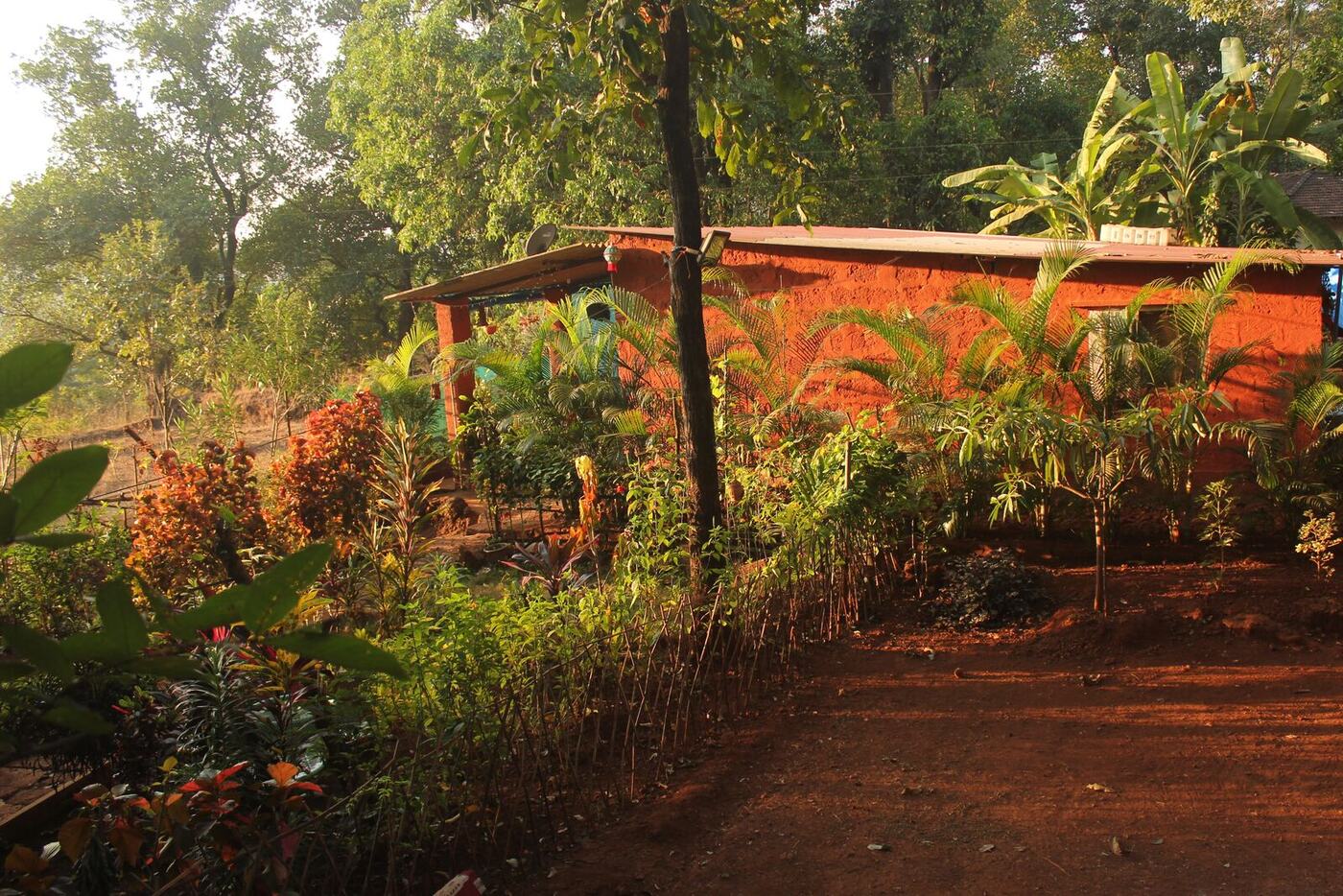
Rookh began as an experiment on a family farm on the Konkan coast; that chapter has closed, but its idea remains — a tree that builds an ecosystem around itself and gives back to everything it shelters.
Credentials
Education.
2017
PhD, Wildlife Science Wildlife Institute of India — pollinator / bee ecology, Doon Valley.Postgraduate
MSc, Environmental Sciences Savitribai Phule Pune University.Undergraduate
BSc, Zoology Savitribai Phule Pune University.Experience
A working timeline.
2009 – 2015
Wildlife Institute of India
Junior, then Senior Research Fellow (Landscape Level Planning & Management). Wildlife monitoring maturing into dedicated pollinator research; foundation of the doctoral work.
2015 – 2018
Navdanya Trust · ecologist & regional coordinator
Entry into seed sovereignty and ecofeminist practice alongside Dr. Vandana Shiva.
2018 – 2020
NEHU, Shillong · Research Associate
Bioresource and cicada research in the North-East.
2020 – 2021
CEDAR, Dehradun
Development-practice grounding bridging ecology and community work.
2020 – 2025
Navdanya Trust · ecology consultant
Project management, ecofeminism, seed sovereignty and farmer training.
2024 – present
Cornell University · consultant
NSF DISES-funded pollinator and apple-orchard research in Uttarakhand.
Research & publications
Peer-reviewed work.
Pollinator and bee ecology, stingless-bee natural history, and agroecology. Fifteen-plus years of fieldwork in the Doon Valley, the Lower Himalaya and the Konkan.
- Bee diversity in apple orchards of the Lower Himalaya: research synthesis, a new field study, and future needs 2025Virkar, P. S., Fraser, A. M., Luthra, A., Allington, G. R. H., Rana, S., Suyal, R., Rawat, A., Ratna, A., Cunningham, K., Raikwal, N., Pandey, A. & Singh, V. · Journal of Pollination Ecology 39, 213–240
- Pollination deficit in apples increases with elevation 2024Fraser, A. M., Allington, G. R. H., Luthra, A., Virkar, P., Rana, S., Suyal, R., Rawat, A., Ratna, A., Cunningham, K., Raikwal, N. et al. · Agriculture, Ecosystems & Environment 371, 109068
- Bees support farming. Does farming support bees? 2019Virkar, P. S., Siddhu, E. & Uniyal, V. P. · bioRxiv 804856 (preprint) · non-Apis bee diversity across forest, polyculture and monoculture, Doon Valley
- Forests, the sanctuaries to specialist and rare wild native bees at the foothills of the Western Himalayas 2017Virkar, P. S. · International Journal of Bioengineering and Life Sciences (WASET conference paper)
- Building walkways: observation on nest duplication of the stingless bee Trigona iridipennis Smith (1854) 2014Virkar, P., Shrotriya, S. & Uniyal, V. P. · Ambient Science 1(1), 38–40
- Splitting nests: what decides eduction in stingless bees 2014Virkar, P., Shrotriya, S. & Uniyal, V. P. · poster, IUSSI (International Union for the Study of Social Insects)
- Threat to wildlife from carnivorous pets: a case of cat attacking Indian Pipistrelle Pipistrellus coromandra 2013Virkar, P. & Shivam, S. · Zoo’s Print 28, 25–26
- Home range, habitat use and food habits of re-introduced gaur (Bos gaurus gaurus) in Bandhavgarh Tiger Reserve, Central India 2013Sankar, K., Pabla, H. S., Patil, C. K., Nigam, P., Qureshi, Q., Navaneethan, B. et al. (co-author) · Tropical Conservation Science 6(1), 50–69
- Baseline information of floral and faunal diversity for long-term ecological monitoring of Dhanolti Eco Park, Mussoorie Forest Division, Uttarakhand Virkar, P. S., Uniyal, V. P. & Banerjee, A. K. · technical report, Wildlife Institute of India
Grants
- Conservation of non-Apis bees and their habitat in Doon Valley, Uttarakhand Rufford Foundation Small Grant (26094-1) · Principal Investigator · £4,973 · 2018–19. Involved local farmers in habitat restoration and monitoring of wild bees.
- NSF DISES — apple pollination in the Lower Himalaya Consultant to Cornell University · 2024–present · the field study behind the 2024 and 2025 papers.
Memberships
- Society for Conservation Biology Member since 2019 · SPEED talk and volunteer, ICCB 2019, Kuala Lumpur.
Research themes
Workshops, talks & media
Taking the science into the room.
Pollinator workshops for farmers, students and gardeners; talks at seed and agroecology gatherings; and writing and audio for a wider public.
Workshops & talks
- Bee The Change — pollinators’ workshop TIEEDI, Darjeeling · pollinator ecology, threats (habitat loss, pesticides, climate), and practical conservation for farmers, students and practitioners.
- Vasundhara Festival 2024 — talk Navdanya Biodiversity Conservation Farm, Dehradun · World Food Day 2024 · gathering of women farmers and seed keepers (video: Seed Freedom).
- Taking the conservation buzz beyond research SPEED talk, International Congress for Conservation Biology (ICCB) 2019, Kuala Lumpur · involving local farmers in habitat restoration and bee monitoring.
- Farmer training & seed-sovereignty programmes Navdanya Trust, since 2016 · courses and field days at Bija Vidyapeeth (Earth University), Dehradun.
- Invited lectures & webinars On pollinators, seed sovereignty and ecofeminist practice.
Media & popular writing
- Navdanya Earth University: lighthouses of movement learning Earthcare Fieldcast, episode 17 · December 2024 · podcast, with Dr. Vandana Shiva.
- The Mystery of the Dead Bees Current Conservation Kids · 2022 · a field mystery at the Navdanya farm, also published in Telugu.
- Grandma and the Bees: my connections to agroecosystems Essay · FAO Family Farming Knowledge Platform · 2022.
- Pollinators Feed Us Documentary, with Navdanya Trust · 2015.
- @solitary_bee_preeti Field notes, bees and farm life on Instagram.
From the field
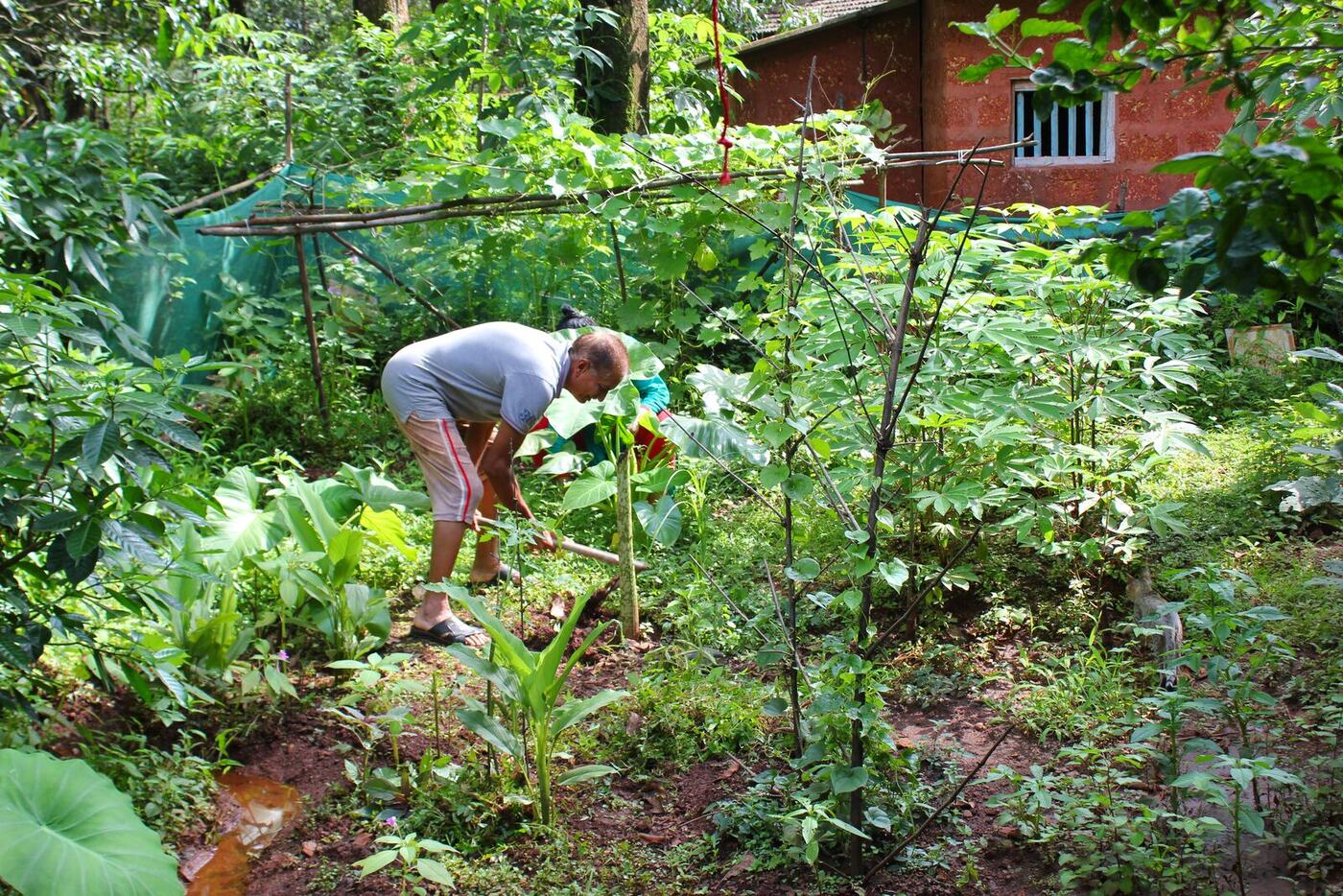
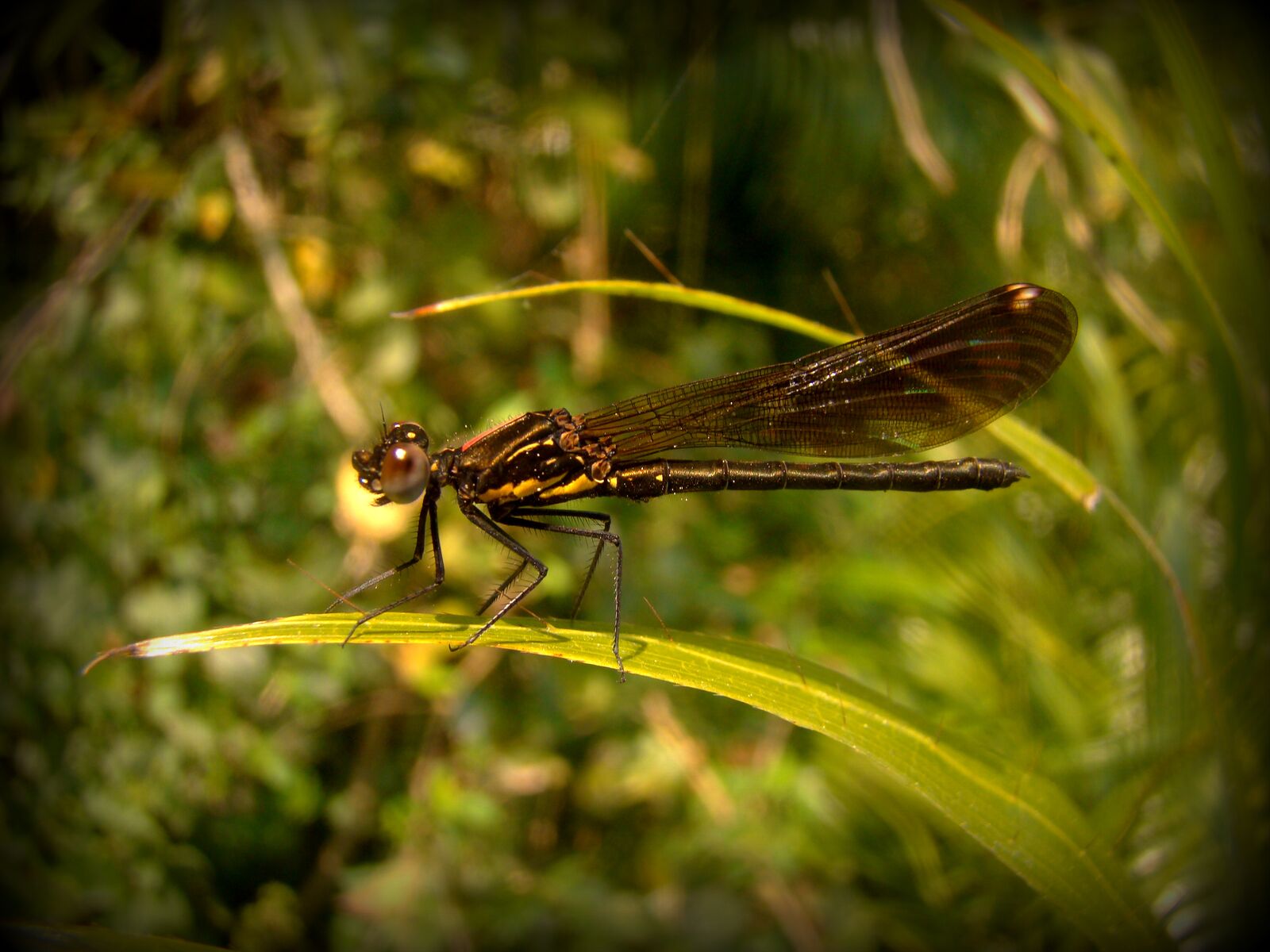
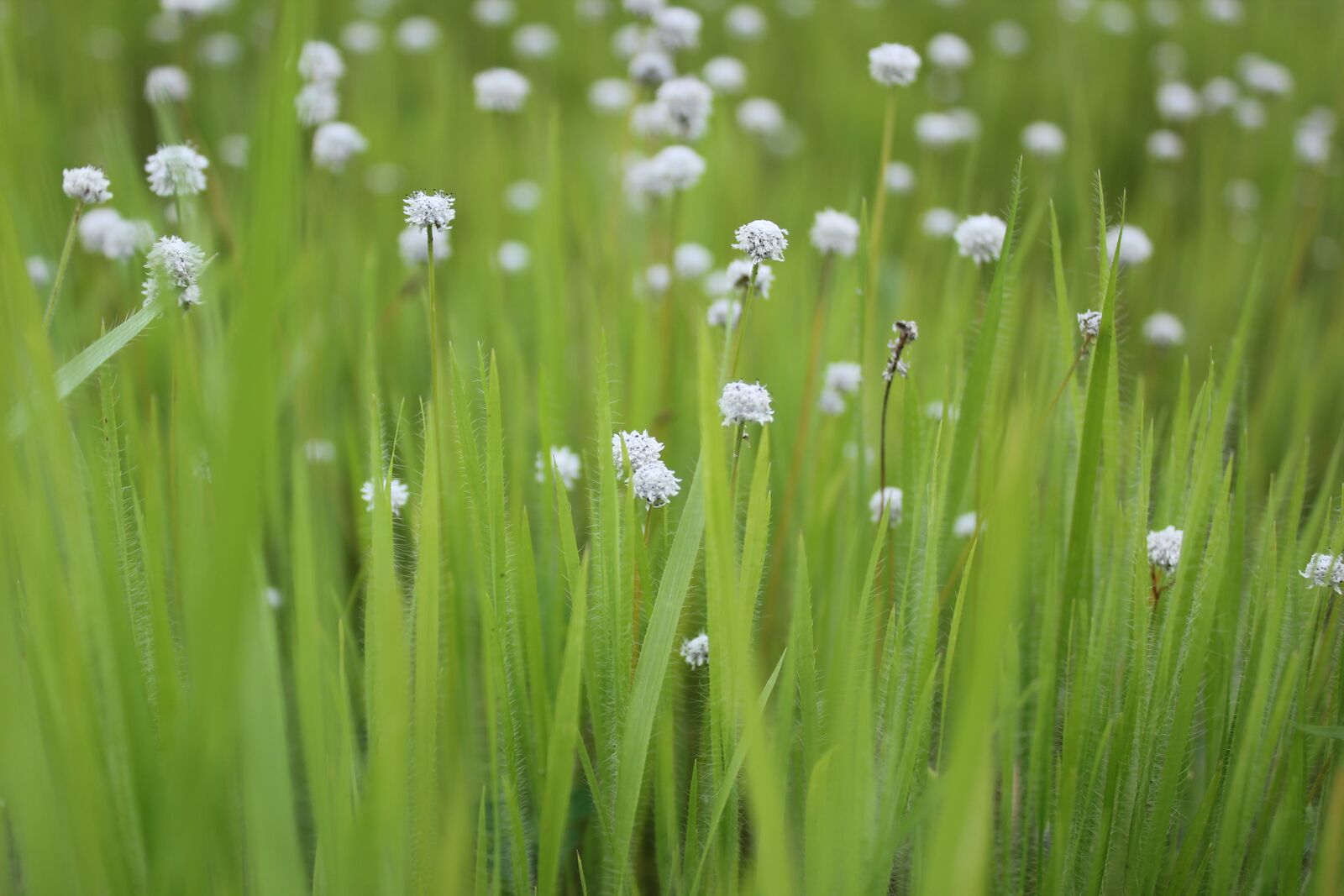
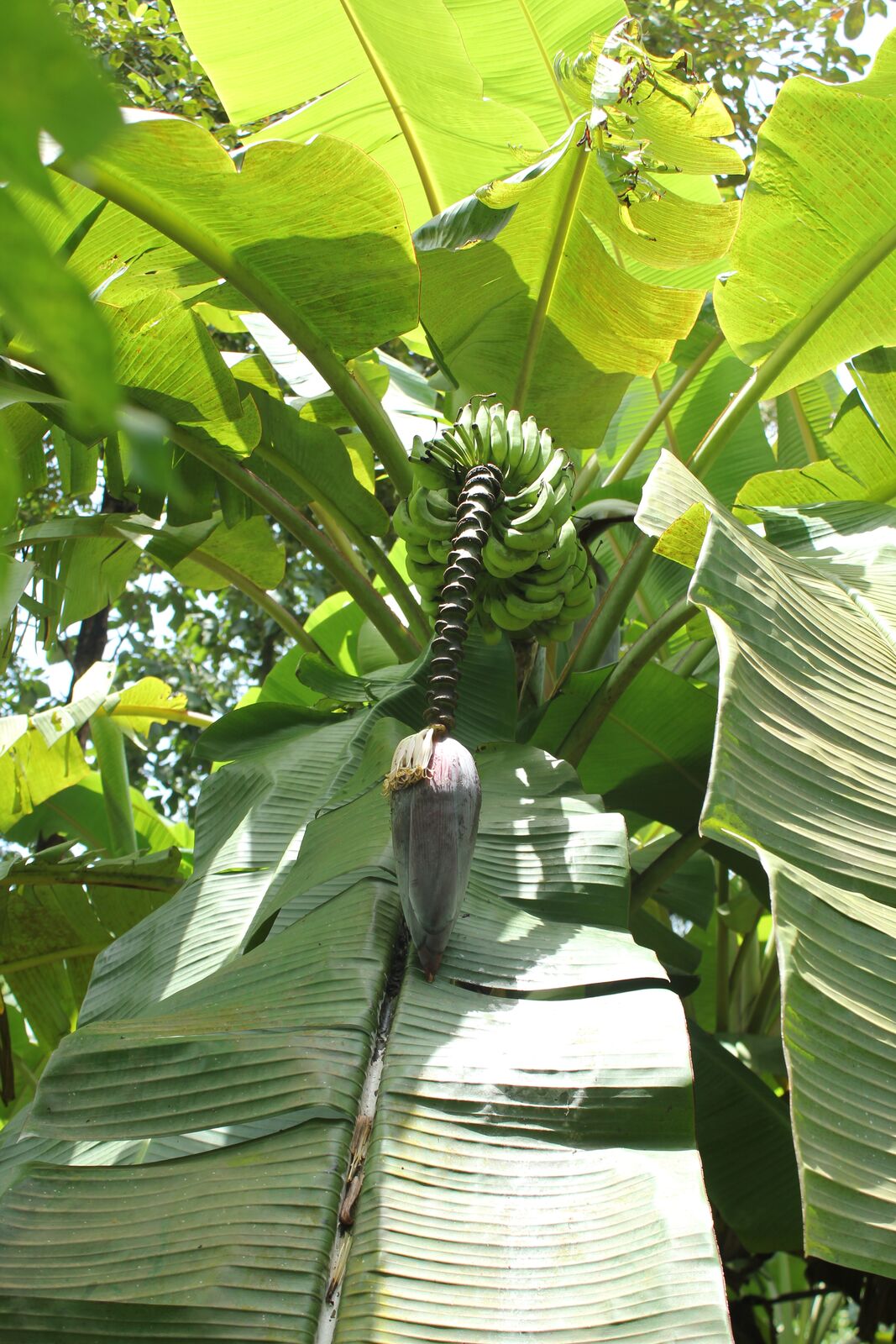
What the work looks like.
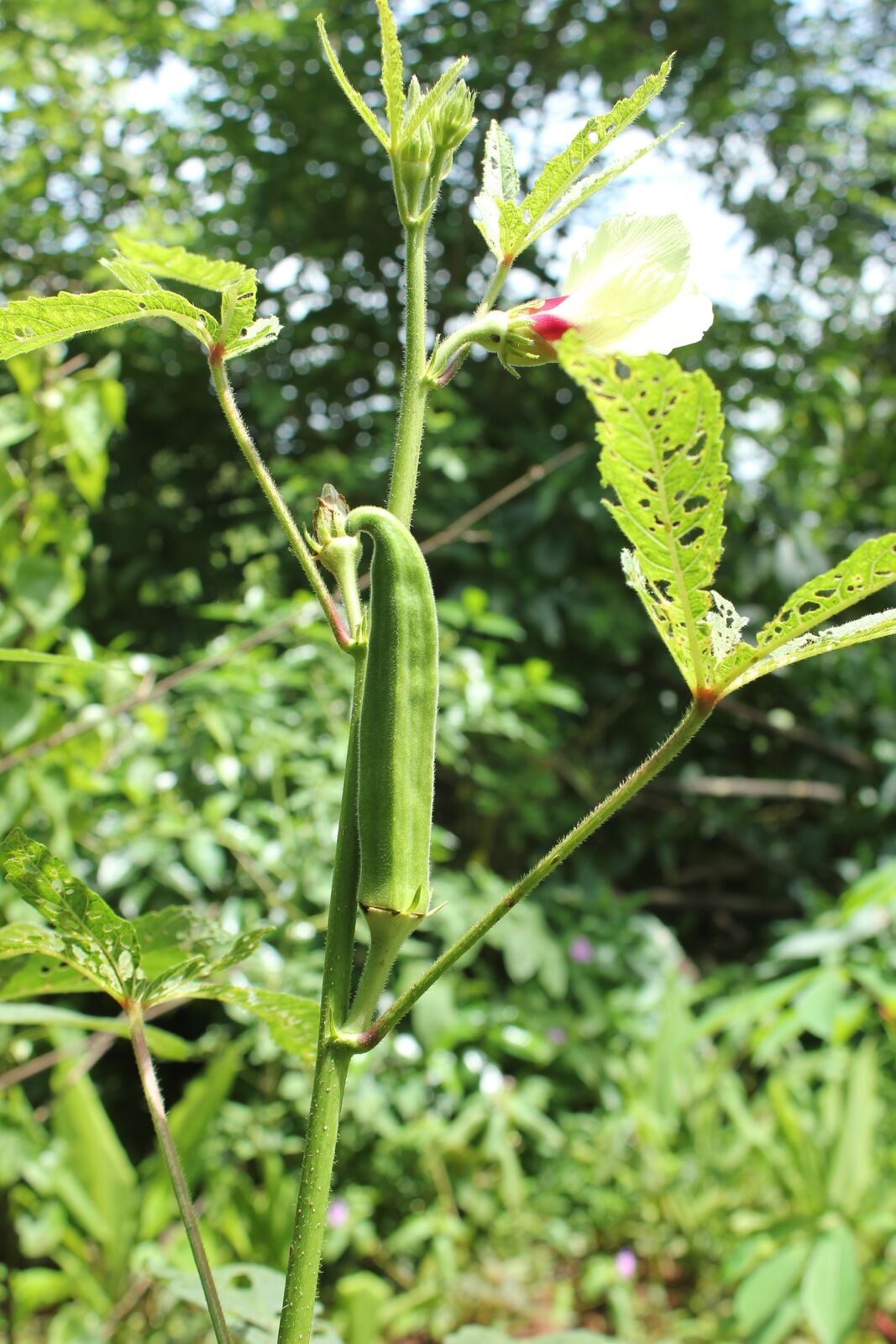
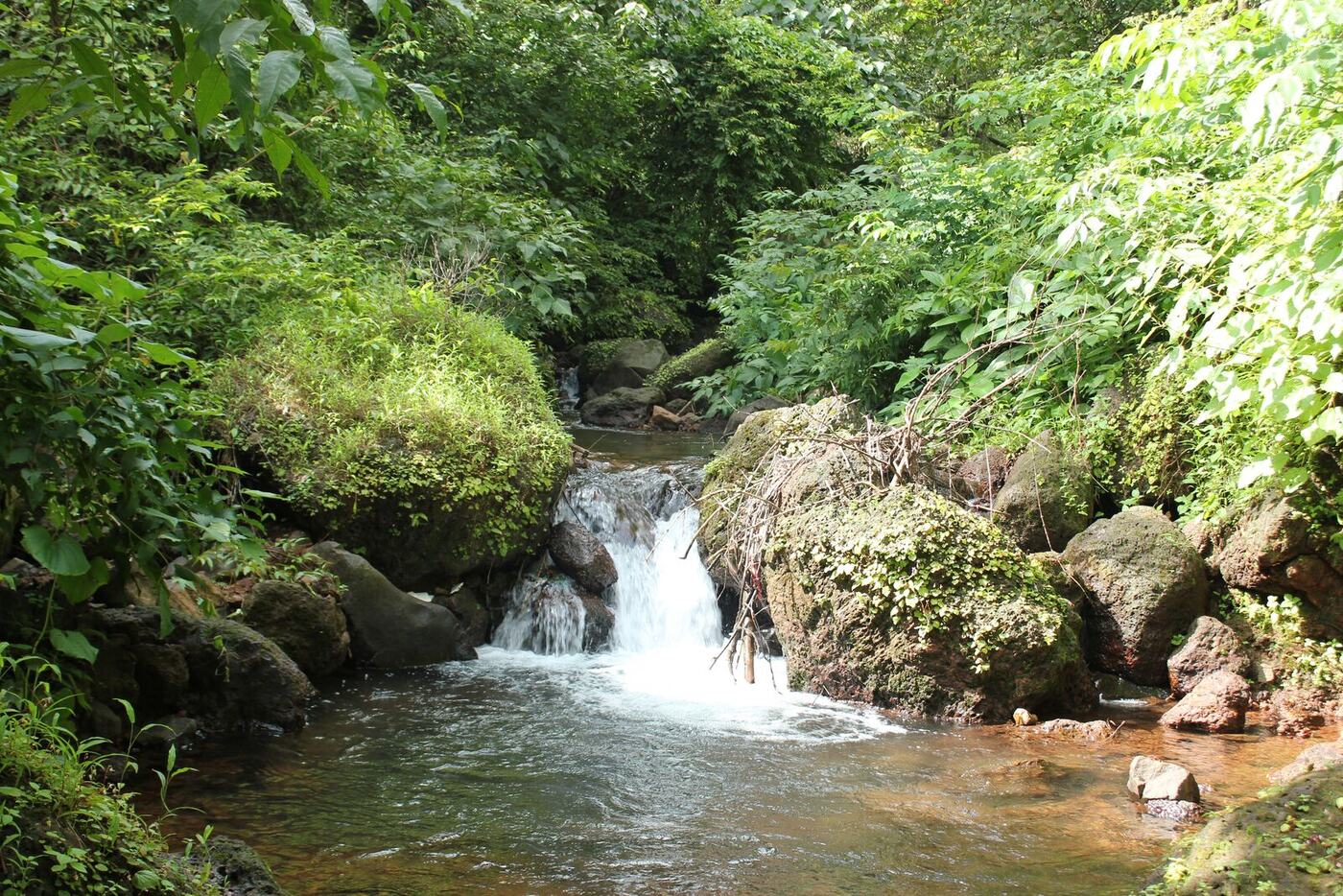
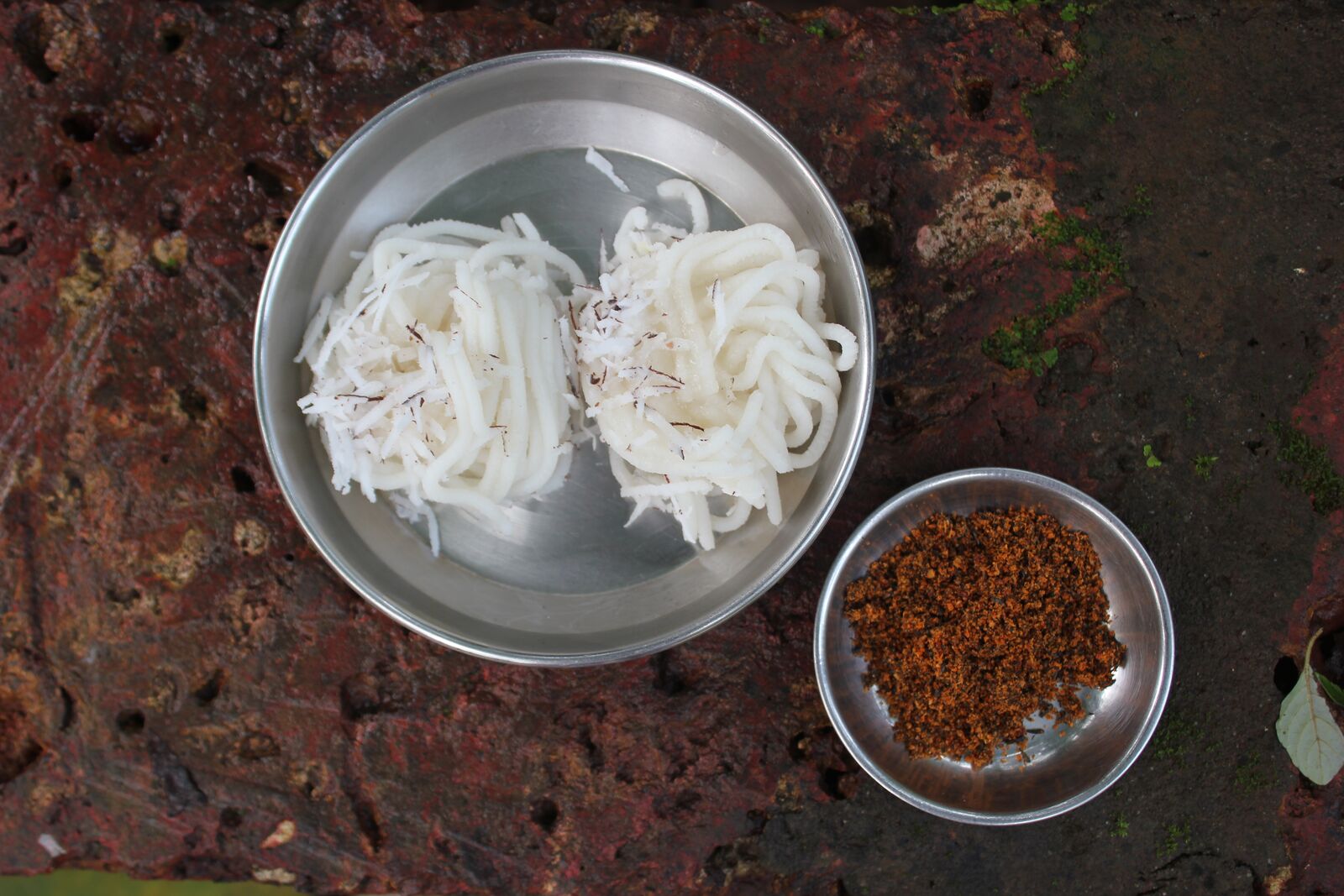
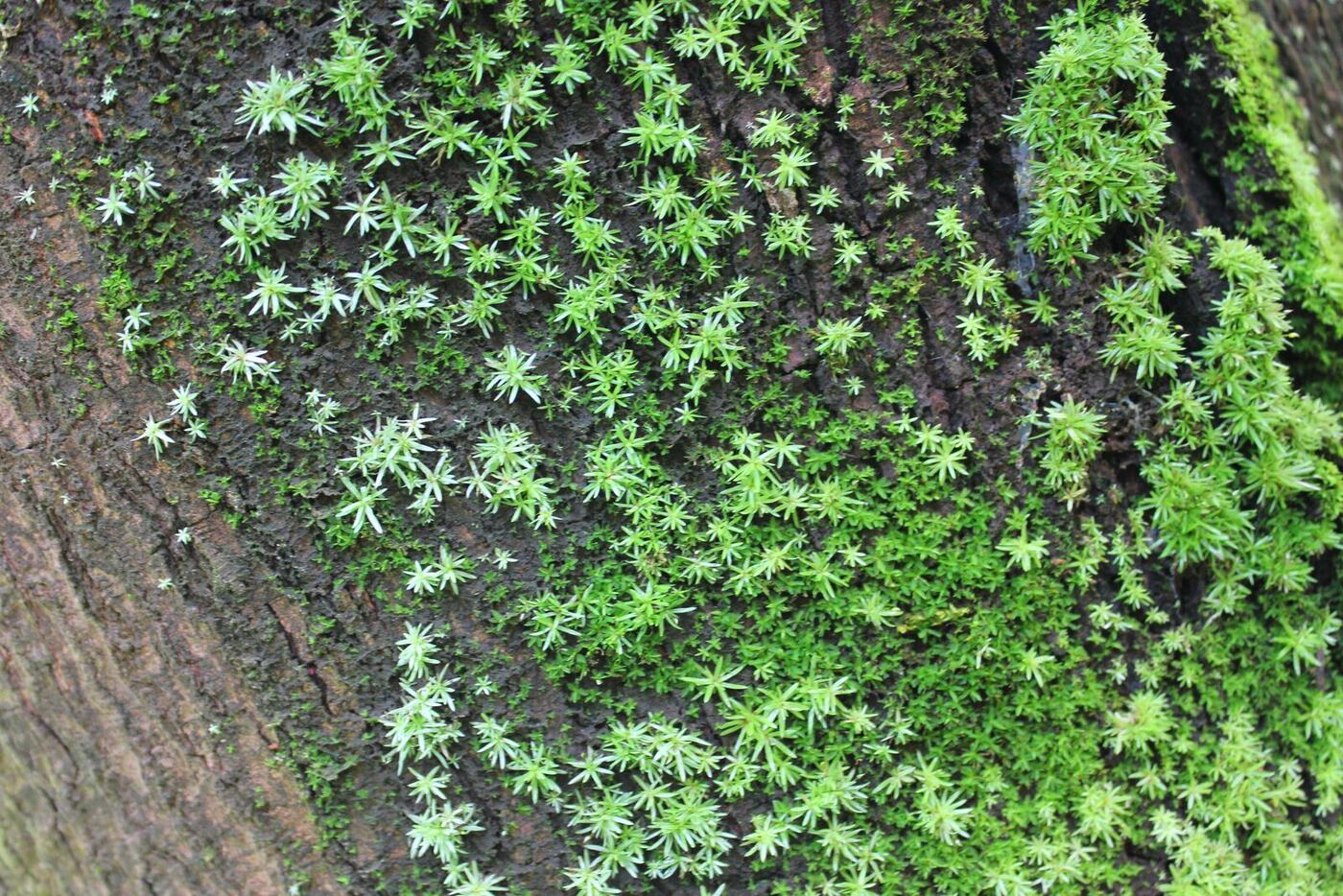
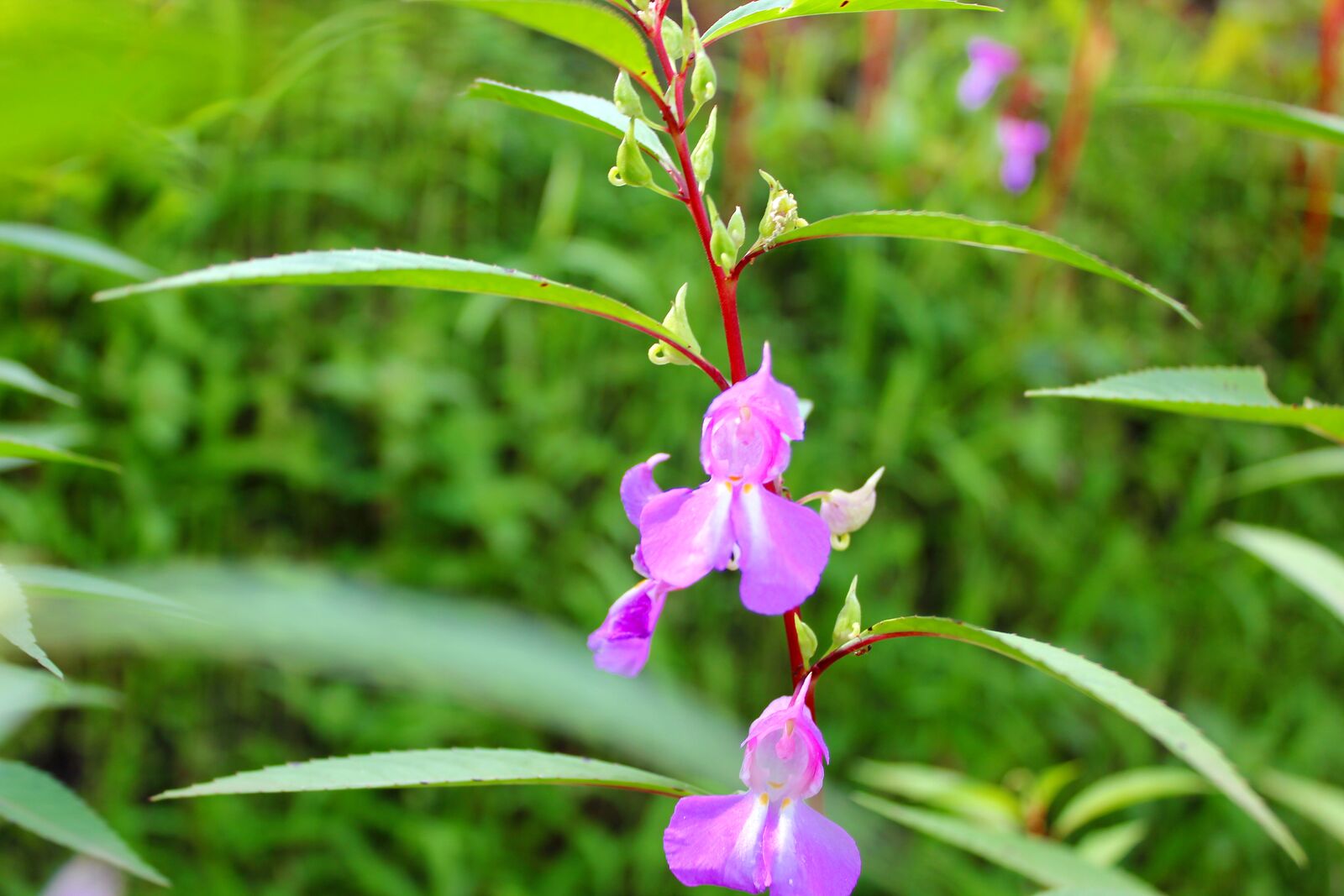
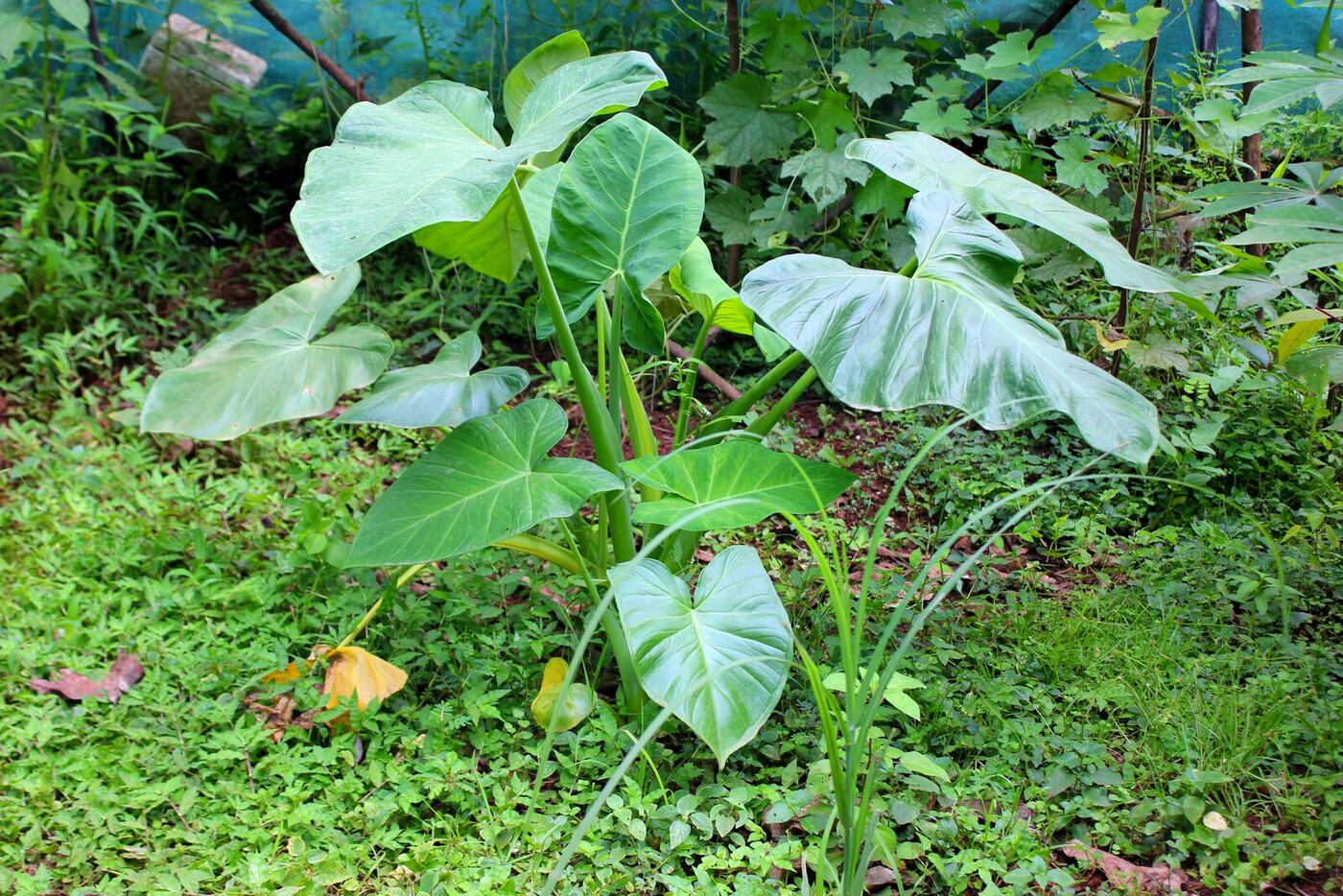
Monsoon on the Konkan farm, the kitchen garden, and the small lives the work depends on.
Languages
Fieldwork in four.
Full professional proficiency — useful across the very different regions her work has taken her through.
Beyond the work
Off the clock.
Travel, trekking, motorbiking, cooking and reading. Completed the Basic Mountaineering Course at the Nehru Institute of Mountaineering (2015) — the same appetite for terrain that keeps the fieldwork honest.
Get in touch
Interested in working together?
Send a message through the home page, or write directly to rookh.info@gmail.com.